Paver Sealing guide
Paver Sealing Tips to Protect Color and Extend the Life of Your Hardscape
Sealing is what makes a paver restoration last. It enhances color, blocks stains, and locks joint sand in place. These tips help you get the most from a seal.
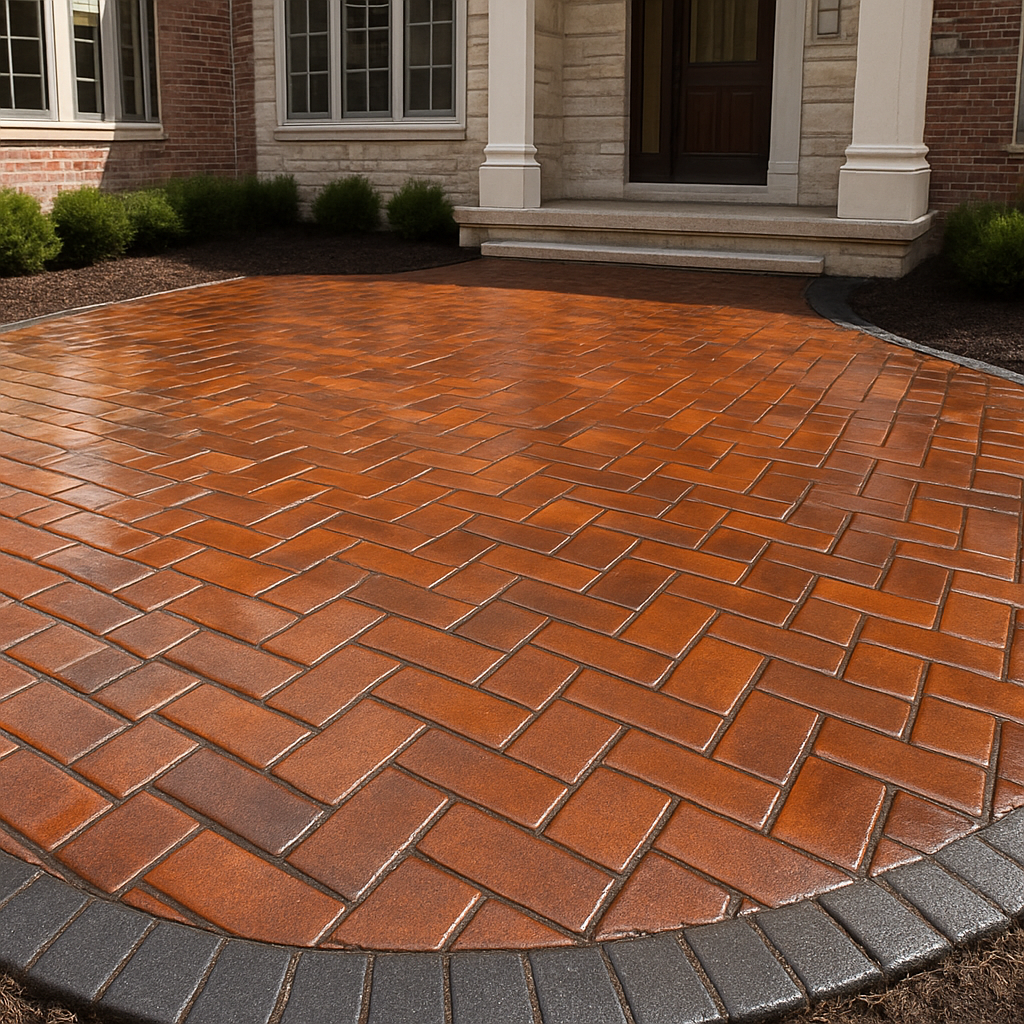
5 best practices for paver sealing
Always clean and sand before sealing
Sealer traps whatever is on the surface, so pavers must be cleaned and re-sanded first for a flawless, lasting finish.
Make sure the surface is completely dry
Sealing damp pavers can cause cloudiness and poor adhesion. Give the surface time to fully dry after cleaning.
Choose the right finish for your look
Sealers range from a natural matte to a rich wet-look shine. Pick the finish that matches the style you want.
Apply evenly to avoid streaks
Consistent, even application prevents pooling and streaking. Professionals dial in the right amount for your specific pavers.
Reseal every three to five years
Sun, traffic, and weather wear sealer down over time. A refresh every few years keeps protection and color at their best.
Want it handled for you?
Skip the to-do list. Our team delivers spotless paver sealing with zero hassle.
Good to know
Paver Sealing questions, answered
Why should I seal my pavers?
Do pavers need to be cleaned before sealing?
How long does paver sealer last?
Will sealing make my pavers shiny?
Ready for a spotless home?
Get your instant quote today. Free estimates, fast response, and results you can see from the street.