Paver Sanding guide
Paver Sanding Tips: Keep Your Hardscape Stable and Weed-Free
The sand between your pavers does the quiet work of holding everything in place. When it washes out, weeds move in and pavers shift. Here is how to keep your joints solid.
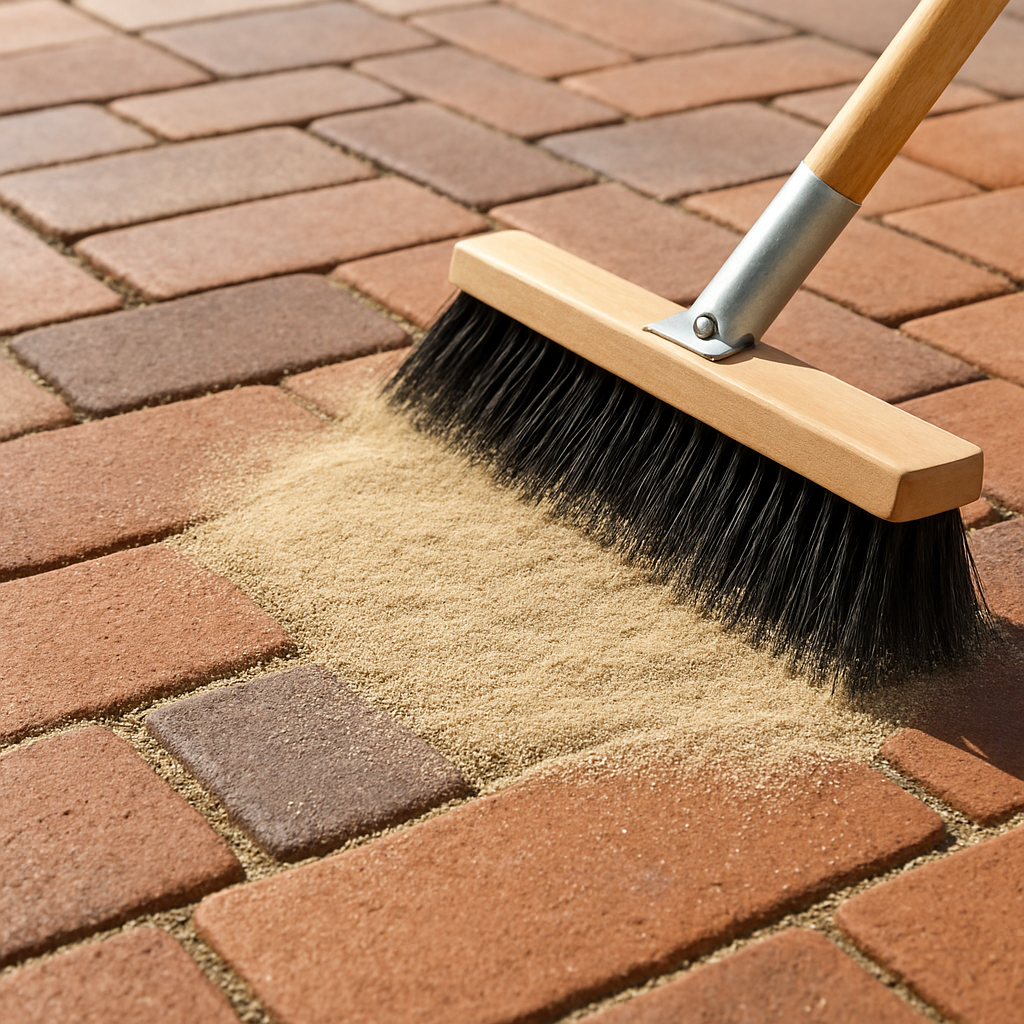
5 best practices for paver sanding
Choose polymeric sand
Polymeric sand hardens when activated with water, locking pavers in place and resisting weeds and ants far better than regular sand.
Clean and dry the joints first
New sand only bonds well in clean, dry joints. Remove old material, weeds, and moisture before re-sanding for lasting results.
Sweep sand fully into the joints
Work the sand all the way down with a broom and compact it so the joints are filled completely, not just on the surface.
Activate carefully with a light mist
Too much water washes the binder out; too little leaves it soft. A controlled misting sets polymeric sand properly.
Re-sand after every deep cleaning
Pressure washing clears the joints, so adding fresh sand afterward keeps pavers stable and the surface looking finished.
Want it handled for you?
Skip the to-do list. Our team delivers spotless paver sanding with zero hassle.
Good to know
Paver Sanding questions, answered
Why do my pavers need new sand?
What is polymeric sand?
Will sanding stop the weeds between my pavers?
Should I have my pavers cleaned first?
Ready for a spotless home?
Get your instant quote today. Free estimates, fast response, and results you can see from the street.