Paver Pressure Washing guide
Paver Pressure Washing Tips for a Like-New Patio
Pavers trap dirt, stains, moss, and algae deep in their surface and joints. Pressure washing brings them back to life — as long as it is done the right way.
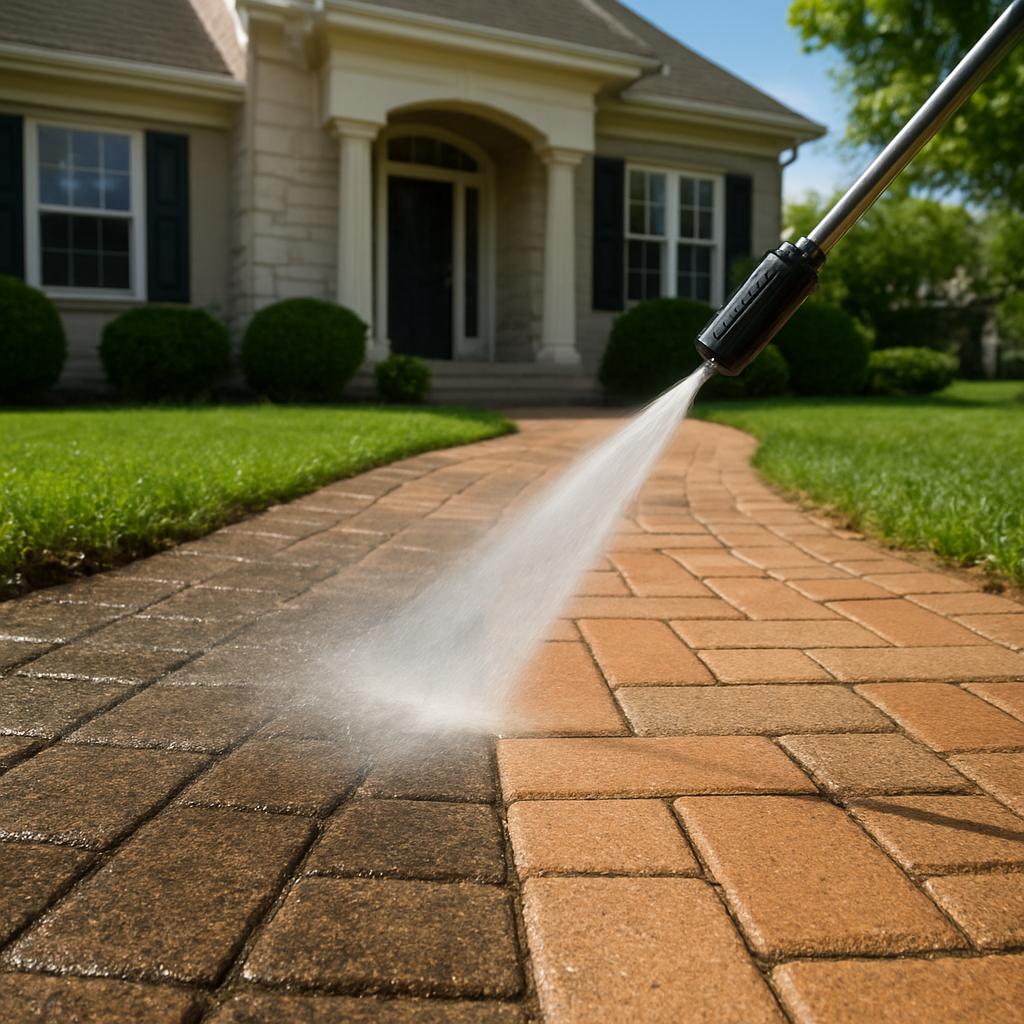
5 best practices for paver pressure washing
Use the correct pressure and tip
Too much pressure or the wrong nozzle can etch pavers and blast out joint sand. The right setup cleans deeply without damage.
Pre-treat moss and stains
Treating organic growth and tough stains before washing lets them release cleanly instead of fighting them with raw pressure.
Keep the wand moving and consistent
Hold a steady distance and angle so the surface comes out evenly clean, with no swirl marks or missed stripes.
Plan to re-sand the joints
Washing removes joint sand. Always follow up with fresh polymeric sand to keep your pavers stable and weed-resistant.
Finish with sealing for protection
Cleaning, sanding, and then sealing is the trio that keeps pavers looking new and protected from future stains.
Want it handled for you?
Skip the to-do list. Our team delivers spotless paver pressure washing with zero hassle.
Good to know
Paver Pressure Washing questions, answered
Will pressure washing damage my pavers?
Does it remove moss and weeds?
Should I re-sand after pressure washing?
How often should pavers be pressure washed?
Ready for a spotless home?
Get your instant quote today. Free estimates, fast response, and results you can see from the street.